THE SCIENCE
Freeze-drying, without the science degree.
What happens when ice skips the liquid stage? A plain-English guide to freezing, sublimation, and secondary drying.
First, a different way to remove water
Freeze-drying, also called lyophilization, starts by freezing a material. Under controlled low-pressure conditions, ice can then change directly into water vapor. That change is called sublimation. A later drying stage removes some of the remaining bound water. Together, these stages create a different processing route from evaporating liquid water with heated air.
Step 01: Freeze
The material is frozen before primary drying begins. The ingredient, formulation, size, and freezing conditions all matter. A fruit slice and a coffee concentrate do not behave identically. There is no single temperature or processing time that can describe every freeze-dried food.
Step 02: Let the ice sublime
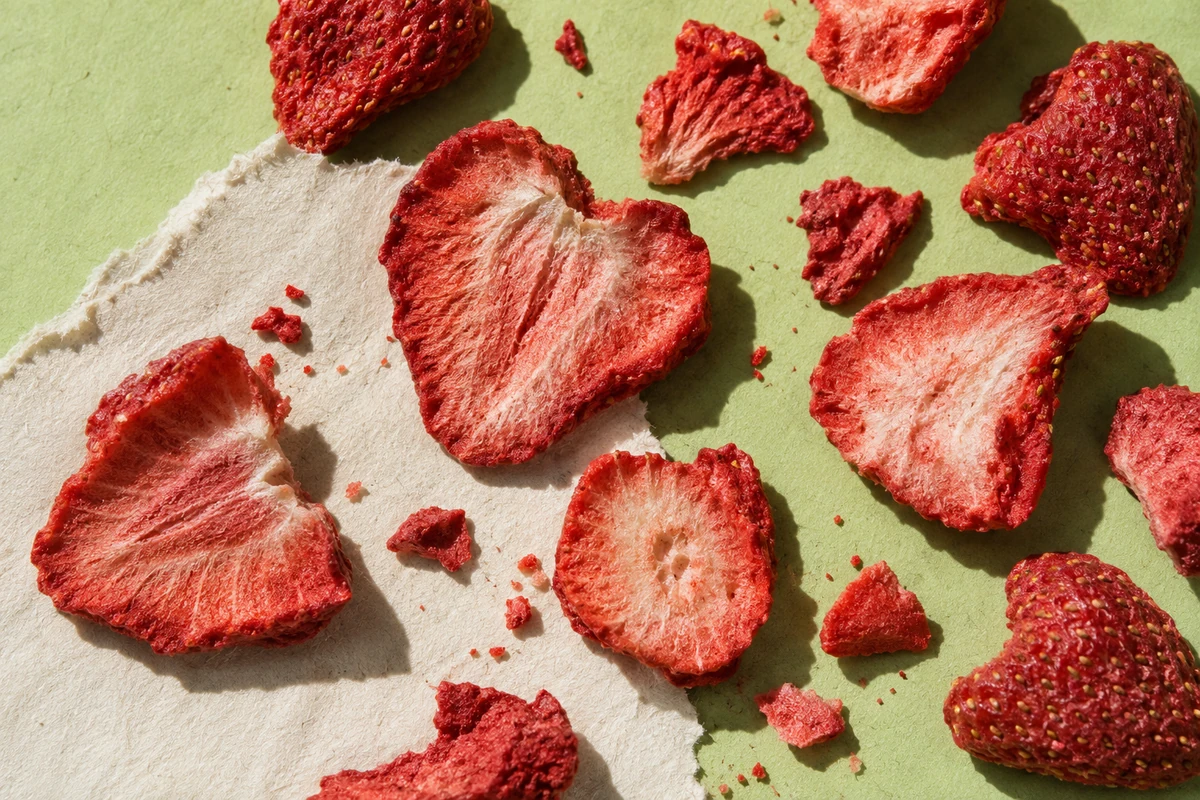
During primary drying, pressure and heat input are controlled so that ice can leave as vapor. This is a balancing act: heat is needed for sublimation, while product temperature must stay within an appropriate range. The process can leave a porous structure where ice was previously present. The actual result depends on the ingredient and processing conditions.
Step 03: Reduce residual moisture
Secondary drying reduces part of the remaining bound water. The endpoint needs to be assessed using appropriate product specifications and measurements, rather than appearance alone. Moisture content and water activity are different measures; both can be relevant when developing a food product.
What this means for everyday food
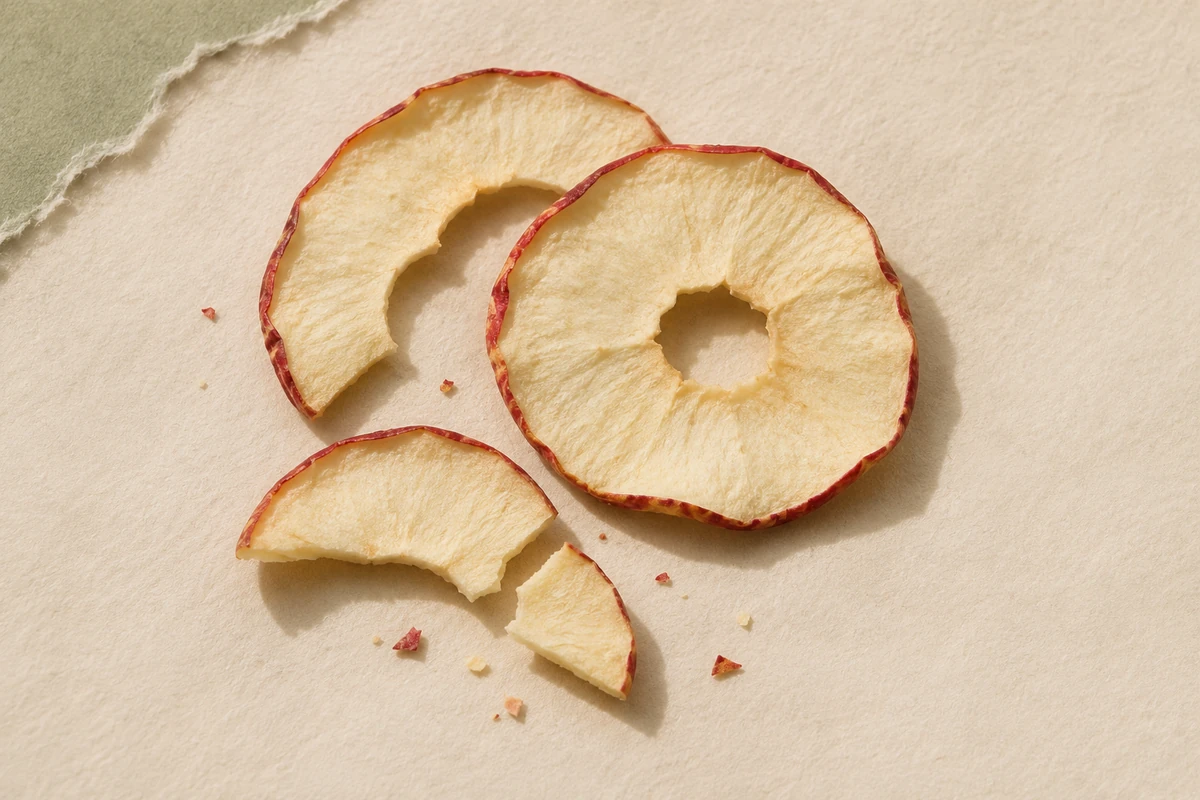
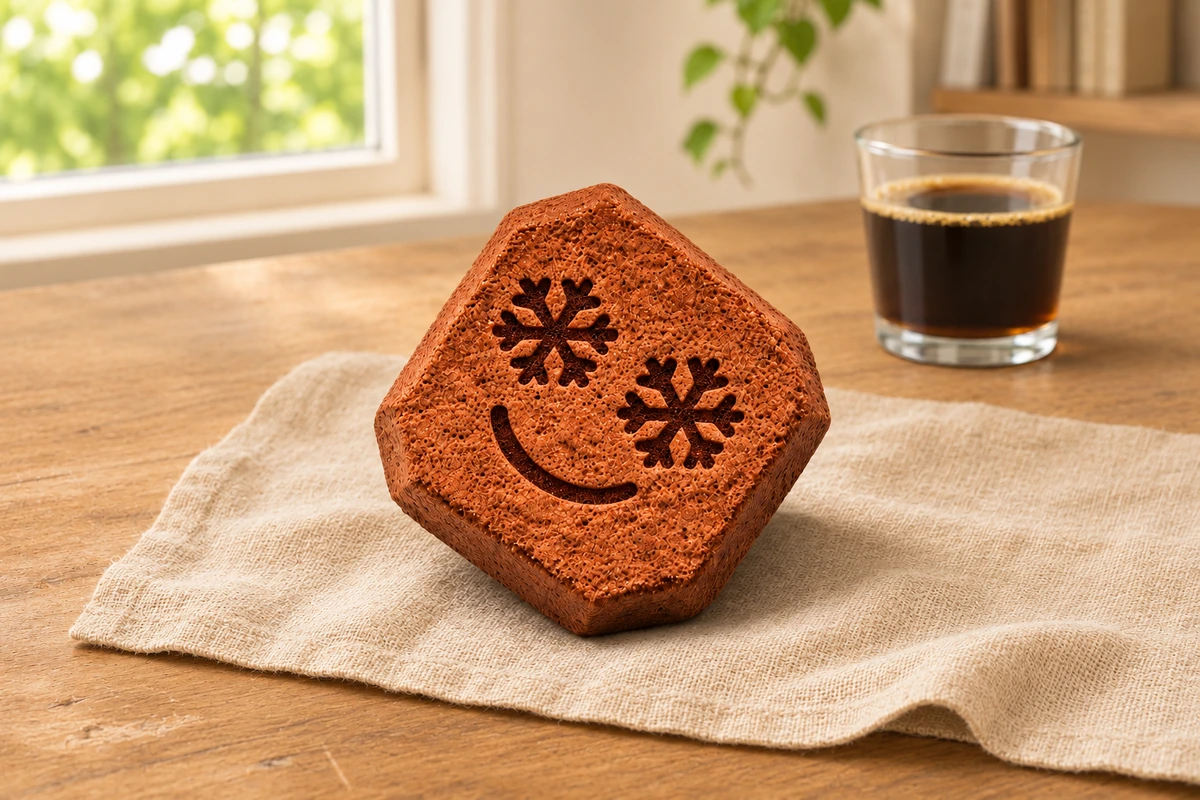
The technology opens up possibilities for texture, format, and preparation. Think fruit with a different crunch or coffee in a compact, reconstitutable form. Results are product-specific: freeze-drying does not guarantee a particular nutrient-retention percentage, shelf life, or flavor outcome. Packaging, storage, formulation, and testing all matter. It is also not a substitute for validated food-safety controls.
Process reference: FDA explanation of lyophilization. Referenced for physical principles only, not a product endorsement or food certification.
From food science to everyday formats.
Explore coffee, fruit tea, and fruit applications from the Vitablabla ecosystem.
See the platform in practice →